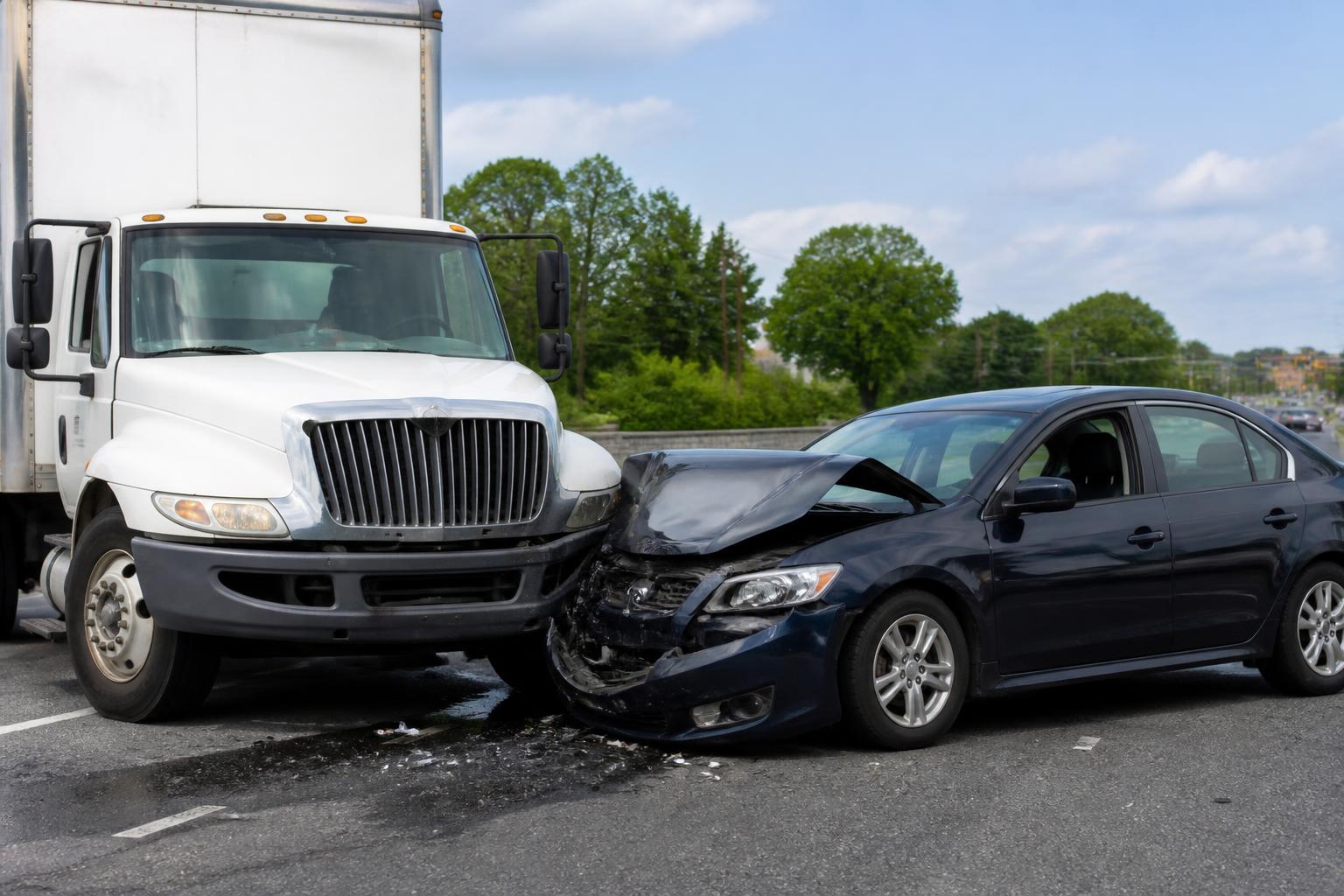
A truck accident can leave behind far more than vehicle damage. The force of the collision, the number of parties involved, and the seriousness of the injuries can make the case more complex from the very beginning.
At Law Offices of David L. Marks, we help people in Fairfax, VA review truck accident claims carefully, preserve the evidence that matters, and move forward with a strategy built around the facts, the injuries, and the legal issues unique to commercial vehicle cases.
Crashes involving commercial trucks can raise questions that do not appear in ordinary car accident claims. There may be a commercial driver, a trucking company, maintenance concerns, cargo issues, or disputes over how the collision happened and who should be held responsible.
That is why these cases often require a more detailed early review. The sooner the facts are organized, the better the chance of protecting records that may become important later.
Truck crashes can happen in many ways, and the type of collision often affects both the injuries and the liability analysis.
Because commercial vehicles are larger and heavier, these collisions often create more serious damage and more serious injury claims.
People often assume the case is simply about which driver caused the wreck. In truck accident claims, the picture may be broader. The key issue can include how the truck was being operated, whether records support that account, and whether another party may also bear responsibility.
Truck crashes often involve injuries that require more treatment, more recovery time, and closer documentation than smaller vehicle collisions.
The crash report is only one piece. Vehicle damage, scene evidence, witness accounts, and company-related records may all affect the claim.
Because the stakes can be higher, truck accident claims may be defended more aggressively by insurers or company representatives.
We begin by reviewing what is already known, then identifying what needs to be preserved or clarified. That may include the collision timeline, medical records, scene evidence, insurance communications, and the practical impact the injuries have had on your life.
We look at how the crash happened, what the report says, and where the major disputes may be.
Treatment, symptoms, and recovery limitations all help explain the seriousness of the case.
We assess whether responsibility may involve more than one party.
That may involve additional evidence gathering, claim negotiation, or stronger preparation for litigation.
Truck accident cases can turn on details that would not matter as much in a smaller vehicle claim. A useful case review looks beyond the initial story and focuses on what can be supported.
When serious injuries are involved, the claim is usually stronger when these records are collected and understood early.
Because of the size difference between a truck and a passenger vehicle, the injury picture may be far more serious. These cases can involve long recovery periods, major disruption to work and daily life, and a greater need for organized treatment records.
We help clients focus on the records that show what changed after the collision and how the injuries affected ordinary life.
In larger injury cases, the practical effect on routine life often matters just as much as the diagnosis itself.
Truck accident claims may become complicated quickly when insurers begin disputing fault, minimizing injuries, or narrowing the scope of responsibility. Some people are contacted early for statements before they fully understand the medical or factual picture.
We help clients review those communications, protect the claim from avoidable mistakes, and understand what may be at stake before a rushed response causes problems.
Commercial vehicle cases may involve competing explanations of the crash sequence.
People sometimes do not realize the full extent of injury immediately after the collision.
Different parties may appear in the claim depending on the facts.
Early settlement pressure can be risky when the injury picture is still developing.
You do not need a perfect file to begin, but the following items can make the first review much more useful.
If you do not have all of this yet, bring what you can. We can help identify the gaps and the next records to focus on.
They may involve more serious injuries, more than one possible responsible party, and additional evidence issues beyond the basic crash report.
Save the report, scene photos, insurance communications, medical records, repair information, and notes about how the injuries affected your daily routine.
Yes. Depending on the facts, the liability review may involve more than just the driver of the truck.
That is common in serious collisions. Ongoing treatment records often become very important in showing the full impact of the accident.
Not without understanding the legal and medical picture. Early statements can create issues if the claim later becomes more disputed.
No. Some resolve through negotiation, but strong preparation is still important because the possibility of litigation often shapes the case early.
If you were injured in a truck accident in Fairfax, VA, Law Offices of David L. Marks can review the crash, explain the issues involved, and help you build a claim based on evidence instead of assumptions.
Call +17033851100 to discuss your truck accident case and next steps.

Start Here
If you were injured in an accident or are facing a criminal or traffic charge, contact Law Offices of David L. Marks to discuss your situation and the options available to you.