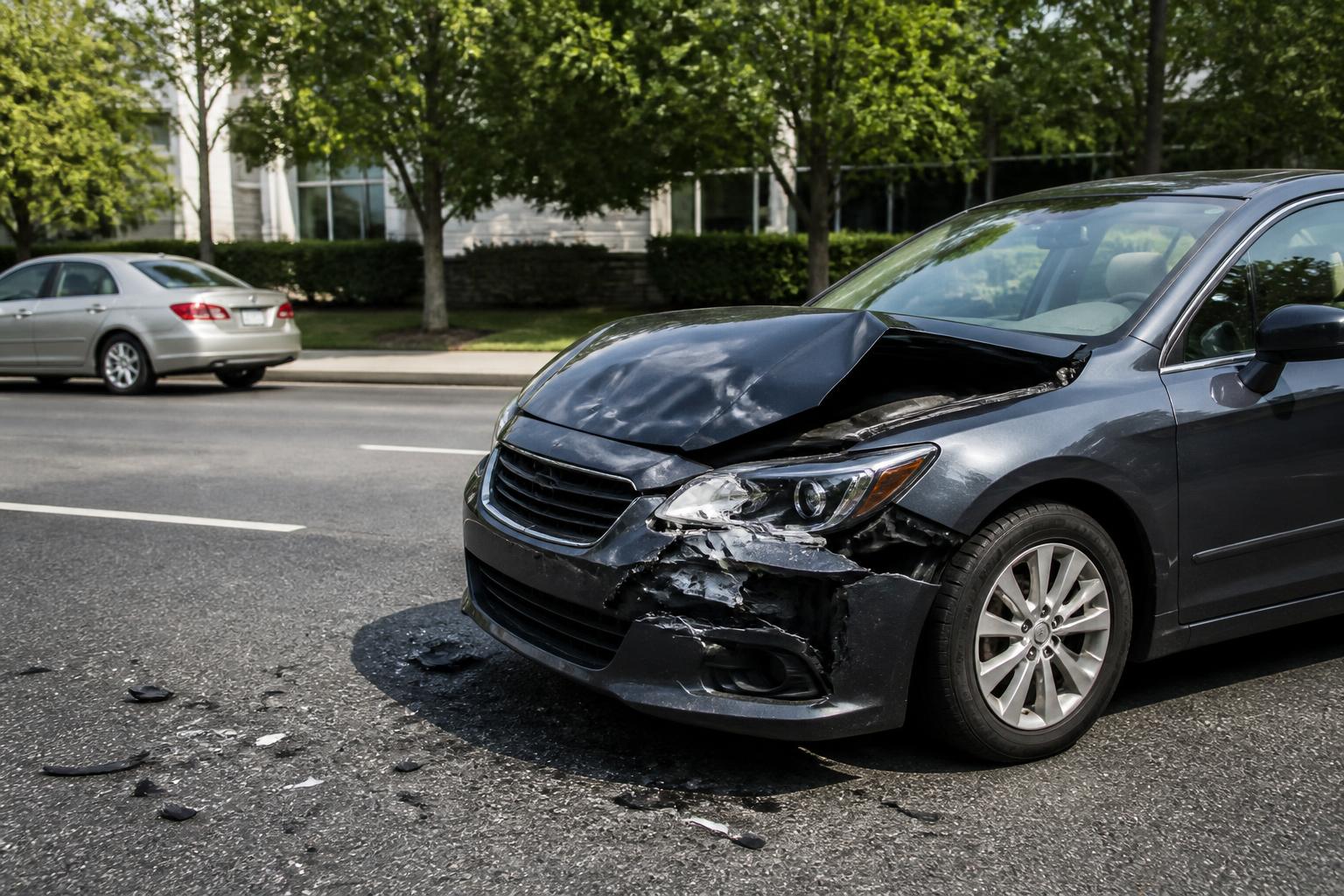
A car accident can throw everything off at once. You may be dealing with pain, missed work, vehicle damage, insurance calls, and a story about the crash that is already being shaped by someone else.
At Law Offices of David L. Marks, we help people in Fairfax, VA sort through what happened, protect their claim, and move forward with a strategy based on facts, records, and the real impact of the collision.
Car accident cases often look simple at first, but they can become more complicated once insurers start questioning fault, minimizing injuries, or pushing for a quick settlement. A strong claim depends on evidence, timing, and the ability to show how the crash affected your life.
We review the collision itself, the records that support your injuries, and the issues that may affect recovery. That can include the police report, scene photos, witness statements, repair information, and medical documentation from the first visit forward.
Not every wreck happens the same way, and not every injury shows up immediately. We help clients after a wide range of motor vehicle collisions, from rear-end impacts to more serious multi-vehicle crashes.
The legal issues may change from case to case, but the need for clear evidence and organized follow-up remains the same.
People often focus first on the damaged vehicle, but the stronger legal questions usually involve fault, injury, treatment, and how the event changed day-to-day life. A claim becomes more persuasive when the records line up and the details are preserved early.
Photos, damage patterns, witness statements, and the location of the impact can all help explain how the collision happened.
Emergency care, follow-up visits, imaging, therapy, and discharge instructions can connect the crash to your injuries.
Lost wages, schedule changes, missed obligations, and physical limitations often show the practical effect of an injury more clearly than broad descriptions alone.
Some crash claims need early legal review because the issues begin almost immediately. Waiting can make documentation harder and can narrow your options when the other side is already building its defense.
What you say in the first days after a collision may be used to challenge fault or reduce the value of the claim.
Pain, stiffness, headaches, or mobility limits may become clearer after the initial shock wears off.
If drivers tell different stories, the supporting records become even more important.
That lost time may be a key part of the damages picture.
Multi-car collisions often create more than one version of events and more than one insurance issue.
We start with the facts instead of assumptions. That means building a timeline, identifying the available records, and reviewing the points that may affect negotiation or litigation. The goal is to understand both the strengths of the claim and the problems that need attention.
Some clients come to us right after the collision. Others call once the insurer starts resisting. In either situation, we focus on what can be proven and what should happen next.
We look at where the crash happened, how the impact occurred, and what the initial records say.
We connect treatment, symptoms, and follow-up care to the crash record.
Medical costs, lost income, and ongoing limitations all matter when evaluating the case.
That may involve negotiation, continued evidence gathering, or preparation for a stronger court position.
Car accident injuries are not limited to visible trauma. Many people continue with their routine for a few days, only to realize later that the crash caused more serious problems than they first understood.
Careful documentation can make a major difference, especially when the other side suggests that treatment was delayed or unnecessary.
When symptoms change over time, a consistent treatment record often becomes one of the most important parts of the case.
Insurers often present early contact as routine, but the claim process is not always neutral. A recorded statement, partial description, or rushed settlement can create problems later if the medical picture becomes more serious or if fault remains disputed.
We help clients review communication with insurers, organize the records that support the claim, and avoid mistakes that weaken the case before all the facts are known.
A careful response is often the difference between a claim that is controlled by the records and one that is controlled by assumptions.
You do not need a perfect file to begin. Bring what you have, and we can identify what else may matter. The more complete the starting information, the easier it is to assess what happened and what should happen next.
Keep the crash report, scene photos, insurance communications, repair records, medical paperwork, and any notes about how the injury affected work or daily life.
That is one reason evidence matters. Vehicle damage, witness statements, the police report, and the timeline can all help address disputes about fault.
Yes. Ongoing treatment is common, and documenting care as the injury develops is often important to the claim.
You can still seek legal guidance. A review of what was said and what records exist can help determine the best next step.
They help connect the collision to your symptoms, show the course of treatment, and support the effect the injury had on your life.
No. Some resolve through negotiation, but careful preparation still matters because the possibility of litigation often shapes how the other side responds.
If you were hurt in a car accident in Fairfax, VA, Law Offices of David L. Marks can review the facts, explain your options, and help you protect your position before key evidence is lost or misunderstood.
Call +17033851100 to discuss your accident and the next step.

Start Here
If you were injured in an accident or are facing a criminal or traffic charge, contact Law Offices of David L. Marks to discuss your situation and the options available to you.